15 Secretly Funny People Work In Residential Window Repair
Residential Window Repair: A Comprehensive Guide
Windows are an important part of any home, offering light, ventilation, and a view of the outdoors world. Nevertheless, like any other part of a house, windows can become damaged with time, requiring repairs to maintain their performance and looks. This article intends to offer house owners with a thorough understanding of residential window repair, covering typical issues, repair techniques, and preventive steps.
Common Window Problems
Before delving into repair techniques, it's important to identify some of the most common window issues that house owners might encounter:
- Drafts and Air Leaks: Windows can establish gaps due to weakening seals, allowing cold air to enter and warm air to get away.
- Broken Glass: Impact from particles or weather phenomena can lead to broken or shattered glass panes.
- Decomposing Frames: Wooden window frames can suffer from rot due to extended direct exposure to moisture.
- Misalignment: Windows might become misaligned with time, making them challenging to open or close effectively.
- Foggy or Cloudy Glass: This concern often develops in double-paned windows when the seal fails, causing condensation in between the panes.
Problem
Description
Possible Solution
Drafts and Air Leaks
Air enters/escapes through gaps
Reseal or caulk windows
Broken Glass
Broken or shattered panes
Replace the glass
Decomposing Frames
Decay due to moisture
Change or repair the frame
Misalignment
Window doesn't open/close effectively
Realign or replace the window hardware
Foggy Glass
Condensation in between panes
Change the insulated glass unit (IGU)
Repairing Common Window Issues
1. Sealing Drafts and Air Leaks
To address drafts, homeowners can follow these steps:
- Inspection: Check for spaces around the window frame.
- Sealant Application: Use high-quality caulk to fill gaps and cracks. Guarantee the surface is tidy and dry before application.
- Weatherstripping: Apply weatherstripping to the movable parts of the window to lessen air leakages.
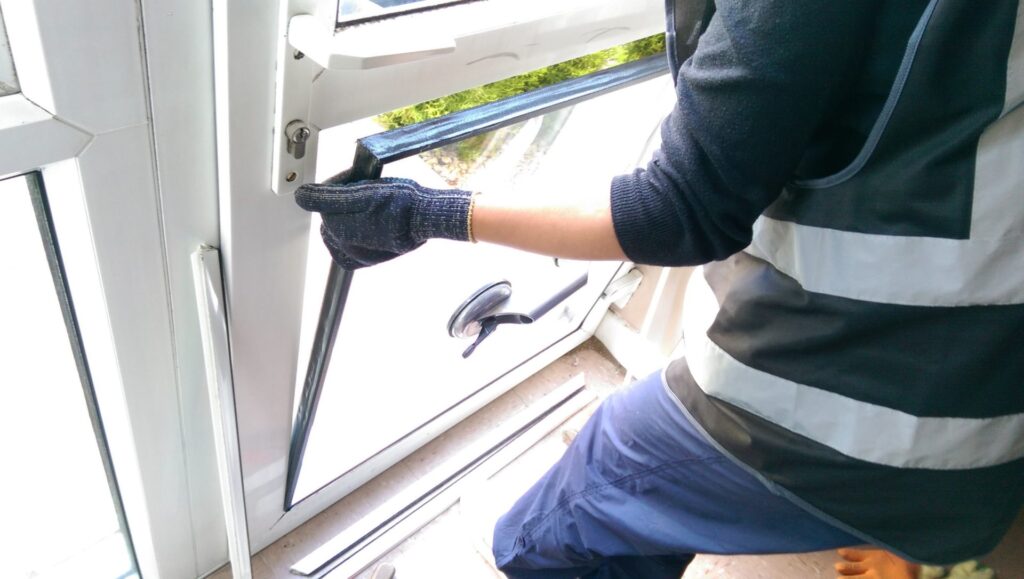
2. Changing Broken Glass
Broken glass ought to be changed as soon as possible to prevent injury and additional damage. Steps include:
- Remove the Broken Glass: Use gloves for safety. Carefully remove any broken fragments from the frame.
- Measure and Cut New Glass: Measure the opening properly and have a new pane cut to size.
- Install New Glass: Set the new glass pane into the frame using glazing putty or silicone adhesive for a secure fit.
3. Repairing or Replacing Rotting Frames
Wood frames with rot can jeopardize the window's structural stability. While minor rotting can be repaired, serious decay requires replacement:
- Assess the Damage: Identify just how much of the frame requires repair or replacement.
- Use Epoxy: For minor damage, use a wood epoxy to bring back the frame.
- Replacement: For comprehensive damage, eliminate the decomposing frame sections and install new wood or think about changing the whole window.
4. Realigning Misaligned Windows
Windows that are misaligned can frequently be changed:
- Check the Hinges and Tracks: Inspect for damage or use on the hinges or tracks.
- Change the Hardware: Tighten or rearrange screws on hinges or adjust the window tracks to straighten.
- Evaluate the Window: Open and close the window to ensure smooth operation.
5. Repairing Foggy Glass
Foggy windows normally indicate an unsuccessful seal in double-pane windows, needing replacement:
- Identify the Issue: Confirm that the fogging is because of a seal failure.
- Replace the IGU: Consult a professional for the replacement of the insulated glass system.
Preventive Measures for Window Maintenance
Prevention is constantly more workable than repair. House owners can take several proactive actions to lessen window damage:
- Regular Inspections: Conduct seasonal look for indications of wear or damage.
- Tidy Frames and Glass: Keep frames free of dirt, debris, and wetness, which can deteriorate materials.
- Repaint Wooden Frames: Apply a fresh coat of paint or sealant every couple of years to secure wood frames from rot.
- Display Weatherstripping: Regularly check and change weatherstripping as needed to maintain energy effectiveness.
- Address Leaks Promptly: Tackle minor leaks and problems instantly to avoid more substantial problems down the line.
Frequently Asked Questions
1. Can I repair my windows myself?
Yes, lots of common window repairs can be carried out by homeowners with basic tools and a little persistence. However, complex repairs, particularly those involving glass replacement or structural problems, should be delegated experts.
2. When should I replace my windows rather of fixing them?
If windows are constantly breezy, foggy, or structurally harmed, it may be more cost-efficient to change them. In addition, windows that are over 15-20 years of ages may benefit from an upgrade to more energy-efficient designs.
3. How can I improve my window's energy effectiveness?
Think about adding storm windows, applying window movie, or installing energy-efficient blinds and shades. Regular maintenance, like resealing and weatherstripping, can likewise improve energy efficiency.
4. Are there different kinds of caulk for window repairs?
Yes, there are different kinds of caulk offered, consisting of silicone, latex, and polyurethane. Pick a waterproof, flexible caulk for long-lasting sealing in outside applications.
5. How often should I inspect my windows?
It is suggested to check your windows a minimum of two times a year, preferably in the spring and fall, to catch any potential problems before they end up being more major.
Residential window repair is not just necessary for preserving a home's visual and performance however also plays a vital function in energy performance and cost savings. By Top-Rated Window Repair with common window problems, proper repair strategies, and preventive steps, homeowners can guarantee the longevity of their windows. Whether taking on minor repairs or seeking professional support, proactive window maintenance is essential to a comfortable and effective home environment.